Some cities greet you loudly, demanding your attention the moment you arrive. San Antonio isn’t like that. It welcomes you warmly, almost patiently, as if it knows you’ll eventually notice its layers—history tucked behind modern buildings, quiet moments hidden beneath lively streets, and stories waiting for anyone willing to slow down and listen. I didn’t realize how much I needed that kind of place until I got there.
The journey itself felt like a reset. Traveling toward San Antonio, I felt everyday worries loosen their grip a little at a time. The conversations along the way shifted from schedules and responsibilities to memories, laughter, and shared anticipation. By the time the city came into view, I already felt lighter—more open to experiencing whatever the days ahead would bring.
What I notice was that San Antonio has a way of blending the past and present so seamlessly that it never feels forced.The city doesn’t try to impress you; it simply invites you in. I noticed it immediately in the architecture—historic buildings standing comfortably alongside modern spaces, neither competing for attention. It felt like a city that knew exactly who it was.
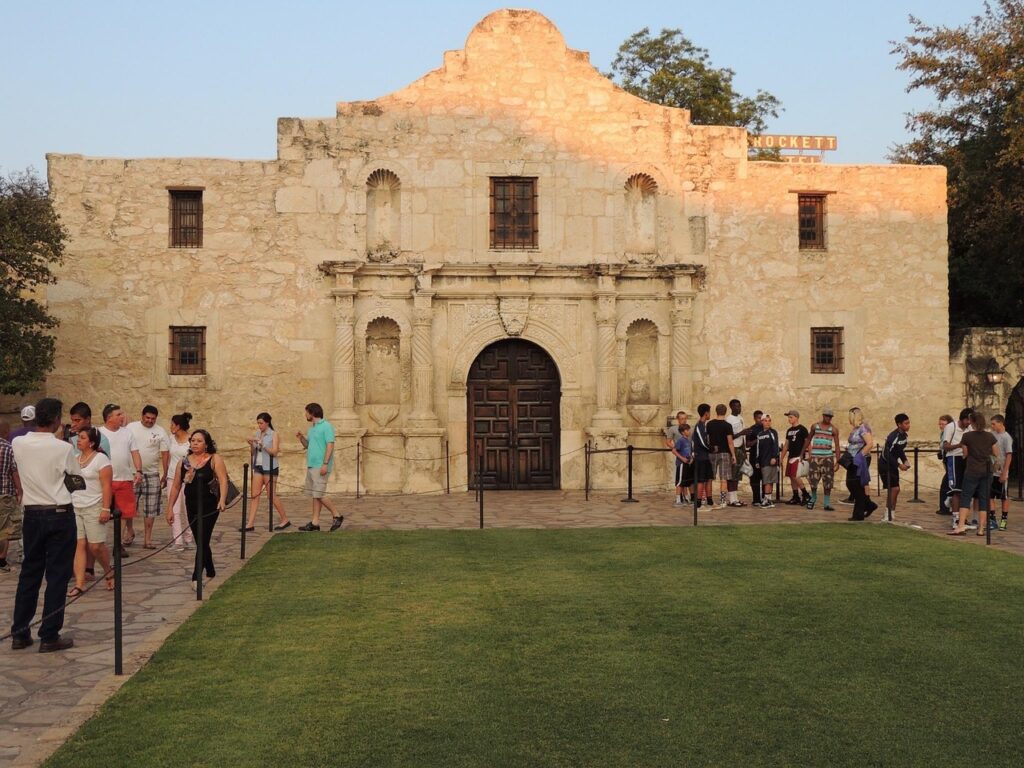
One of the first places I visited was the Alamo. I’d seen photos and heard stories all my life, but standing there in person felt entirely different. The space itself is quiet, almost reverent, despite being surrounded by the bustle of downtown. As I walked the grounds, I felt a deep sense of respect—not just for the history, but for the weight of it. Reading about the people who stood their ground there made the past feel personal. It wasn’t just a lesson from a textbook; it was a reminder of sacrifice, conviction, and how moments in time can shape generations. I found myself lingering longer than expected, moving slowly through the exhibits, pausing often to reflect. There’s something powerful about being physically present in a place where history happened. It makes you think about your own place in the larger story—how brief our moments are, yet how meaningful they can be.
From there, the energy of the city shifted as I made my way toward the River Walk. If the Alamo represents reflection, the River Walk represents life. The contrast was striking. The sound of water moving gently through the city, the hum of conversation, and the bursts of laughter created an atmosphere that felt alive and welcoming. Walking along the path, I noticed how people naturally slowed down. No one seemed in a hurry. Couples strolled hand in hand. Families paused to watch boats glide by. Friends gathered at tables, lingering over meals and conversation.
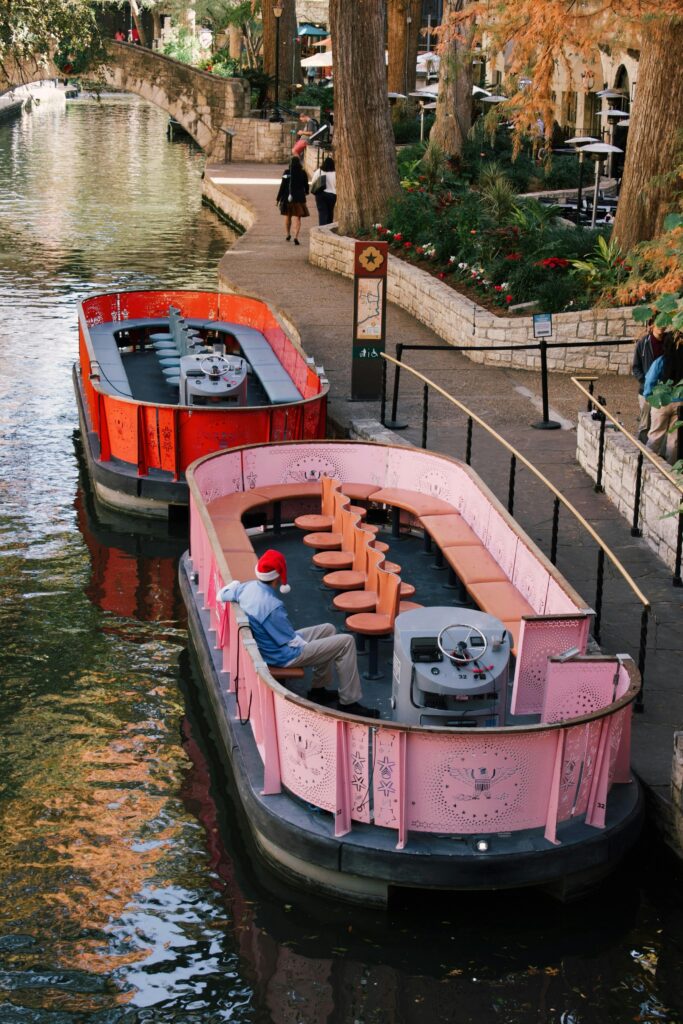
At one point, I sat on a bench and simply watched. Boats passed beneath small bridges, their reflections shimmering in the water. Music drifted softly from nearby restaurants. I realized how rare it is to feel truly present without trying. San Antonio made that easy for me. Eventually, I took a river cruise, and it turned out to be one of the most relaxing moments of the trip. Sitting back while the city unfolded from the water offered a completely different perspective. Buildings looked softer from that angle, their edges blurred by reflection and sunlight. Stories about the city’s development, culture, and architecture felt more meaningful as I watched the River Walk come alive around me. It was one of those experiences where learning didn’t feel like learning—it felt like listening to an old friend tell stories.
The food quickly became another way to understand the city. San Antonio doesn’t just serve meals; it serves culture. Every bite seemed to carry history, tradition, and pride. I remember sitting down for a meal after a long day of walking, feeling grateful for the simple comfort of good food and good company. Conversations flowed easily, and laughter came naturally. Those moments—shared meals, unplanned conversations—often ended up being the most memorable. Between meals and sightseeing, I found myself wandering without a plan more than once. San Antonio rewards curiosity. A quiet courtyard here, a small shop there—each discovery felt personal, like I’d stumbled upon something meant just for me. I noticed details I might have missed if I’d been rushing: colorful tiles, handwritten signs, the sound of footsteps echoing under archways.
What surprised me most was how balanced the city felt. It’s lively without being overwhelming, historic without feeling stuck in the past. There’s room for excitement and stillness, often within the same block. One moment you’re surrounded by music and movement; the next, you turn a corner and find yourself in a peaceful space shaded by trees.
As the days passed, I realized the trip was giving me more than memories—it was offering perspective. Being away from routine allowed me to think more clearly, to reflect on things I’d been carrying without realizing it. Sitting by the river one evening, watching lights reflect on the water, I felt a sense of calm that had been missing for a while. Nothing dramatic happened in that moment—and that’s what made it special.
San Antonio also reminded me how meaningful group travel can be. Experiencing a place with others adds layers to every moment. Someone notices a detail you missed. Someone else shares a story that deepens your understanding. Laughter feels louder, and quiet moments feel more grounded when they’re shared. Even the simple act of walking together created connection. Toward the end of the trip, I found myself revisiting favorite spots—not because I felt like I’d missed something, but because I wanted to experience them again, just a little differently. The Alamo felt heavier the second time, the River Walk more familiar. It was as if the city had shifted from being new to being known.
The final day arrived quietly. Packing my bag felt bittersweet as always. I took one last walk, breathing in the warm air, letting the sounds and sights settle into memory. On the journey home, I reflected on how the trip had changed me—not in a dramatic way, but in the subtle ways that matter most. I felt more relaxed, more present, more appreciative of moments that don’t demand attention but quietly offer meaning. San Antonio didn’t overwhelm me with a checklist of things to do. Instead, it invited me to experience it fully, at my own pace. It reminded me that travel isn’t always about seeing everything—it’s about feeling something. About connection. About stepping away long enough to remember what matters.
Even now, when I think back on the trip, certain moments rise to the surface: the stillness at the Alamo, the gentle movement of the river, the warmth of shared meals, the feeling of being exactly where I was supposed to be. Those are the memories that last—not the schedule, not the logistics, but the way the city made me feel. San Antonio has a heart, and it beats steadily beneath the surface—inviting anyone who visits to slow down, look closer, and stay awhile.