I’ve always loved to travel, but Alaska felt different from the very beginning—different in a way that’s hard to put into words. From the moment we started planning, there was a quiet sense that this trip wouldn’t be about rushing from one highlight to the next. Alaska doesn’t invite speed. It asks you to slow down, to look longer, and to arrive with a bit of humility. This isn’t a place you simply visit, snap a few photos, and move on. It’s a place you experience deliberately, where the landscape feels larger than you and time seems to stretch in unexpected ways.
Packing for Alaska is nothing like packing for a beach cruise. I learned that quickly. You don’t pack for how it looks outside—you pack for how it feels. Even in July, Alaska demands layers. I brought sweaters, fleece jackets, long sleeves, and a waterproof outer layer that quickly became my best friend. Gloves and a warm hat seemed unnecessary at first—until glacier day. I wanted to make sure that I was warm before stepping outside. Comfortable walking shoes were essential, especially in ports where uneven sidewalks and nature trails are the norm.
One thing I was especially glad I packed was a small backpack. It was perfect for excursions, holding extra layers, water, and my camera. Speaking of cameras—Alaska will test your storage limits. I took photos constantly, but sometimes I had to remind myself to put the camera down and just look. And sunscreen—yes, sunscreen. The long daylight hours are deceiving, and the reflection off the water makes the sun stronger than it feels.
Getting to Seattle two days early was one of those small, intentional choices that ended up shaping the entire trip in the best way possible. Instead of arriving tired, rushed, and watching the clock on embarkation day, we had the gift of time. There was no pressure to hurry, no anxiety about delays, and no sense that we were already behind before the adventure even began. We could finally exhale and let the excitement settle in naturally.
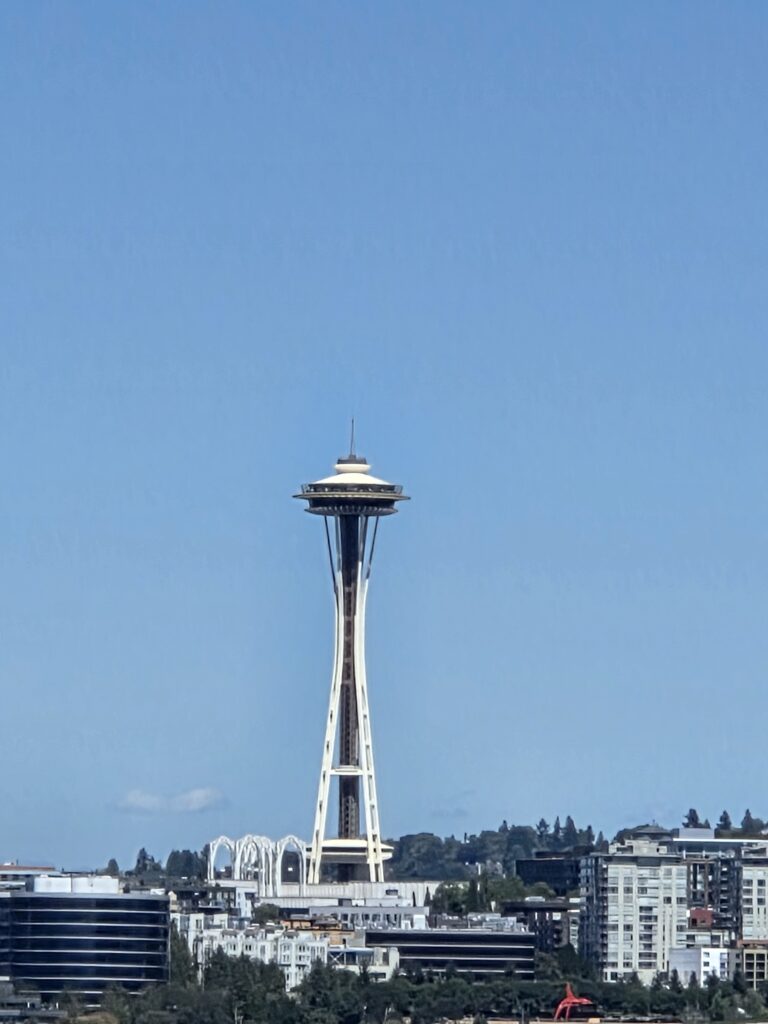
After checking into our hotel, the very first priority—of course—was food. Travel always seems to make everyone hungry, and Seattle felt like the perfect city to start indulging a little. We didn’t overthink it; we just wanted something comforting and good. Sitting down for dinner that first night felt like the official beginning of the trip. Over shared plates and tired laughter, we started talking through everything Seattle had to offer, tossing around ideas and making loose plans without committing to a strict schedule. That freedom alone felt luxurious.
Those early conversations over dinner set the tone for the days ahead. We talked about wandering Pike Place Market, seeing the Space Needle up close, riding the Great Wheel, and finding coffee shops that locals actually love. There was something grounding about planning while already there—maps open on phones, menus still on the table, the city buzzing just outside the restaurant windows. Instead of feeling like tourists racing through a checklist, we felt present, curious, and genuinely excited. Having those extra days allowed Seattle to feel like part of the journey, not just a departure point. We went to bed that night feeling full, relaxed, and confident that we had given ourselves the best possible start. The ship hadn’t even entered the picture yet, but already, the trip felt like it was unfolding exactly the way it was meant to.
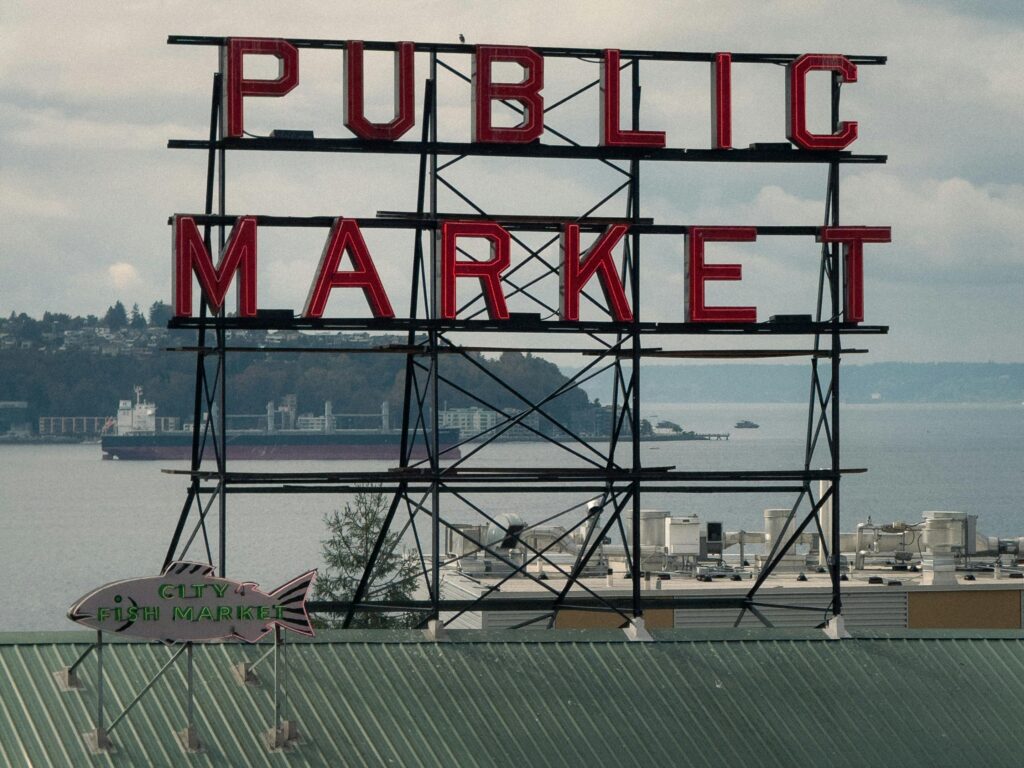
That morning Seattle greeted us with gray skies and waterfront energy. We wandered Pike Place Market, watched fish fly through the air, and stood for longer than expected just observing people come and go. There’s something comforting about being near the water before a cruise—it makes the transition feel natural. We rode the Great Wheel, explored the harbor, and grabbed seafood that tasted impossibly fresh. By the time we went to bed that night, it felt like the trip had already started. The excitement wasn’t frantic—it was calm, steady, and full of promise.
Embarkation day always carries a certain kind of energy, but this time it felt softer, steadier, almost intentional. Maybe it was arriving early, or maybe it was the mindset we had already slipped into, but there was no frantic rushing or nervous checking of the time. Once we stepped onboard, everything slowed down in the best way. We dropped our bags in the room, grabbed a casual bite to eat, and let curiosity guide us as we wandered the ship for the first time.
The ship itself felt less like transportation and more like a floating retreat. Wide open spaces, glass everywhere, and thoughtful design made it easy to feel connected to the ocean instead of closed off from it. Every turn offered another place to pause, sit, and simply look out at the water. I remember thinking how intentional it all felt, as if the ship was encouraging us to slow down before the journey even truly began.
The safety drill was over quickly, and with it went the last bit of tension I didn’t even realize I was holding onto. There’s something about that moment—once it’s done—that makes the trip feel official. Soon after, I made my way to the deck just in time to watch Seattle slowly fade into the distance. The skyline softened, the lights grew smaller, and it felt symbolic in a way I hadn’t expected. It wasn’t just the city we were leaving behind; it was schedules, responsibilities, and the constant hum of everyday life.
That first evening, I stayed outside longer than I usually would. Wrapped in a jacket, hands tucked into my sleeves, I watched the ship cut through the water as a long, endless wake stretched behind us. The air was cool and clean, the kind that makes you breathe a little deeper without thinking about it. There was a deep, quiet calm in that moment—no agenda, no distractions, just the sound of the water and the feeling that something meaningful had already begun.
We chose July intentionally, and that decision shaped the entire experience. Alaska in July feels awake and vibrant, as if the land itself is making the most of every moment of summer. The days seem to go on forever, with soft light lingering late into the evening and mornings that arrive gently instead of abruptly. The skies stay brighter longer, and there’s a sense that everything is more open—trails, towns, viewpoints, and even conversations feel easier and more welcoming. The temperatures were cool but comfortable, the kind that makes you want to stay outside just a little longer than planned, even when your hands are cold and your jacket is zipped all the way up. Instead of retreating indoors, we found ourselves lingering on decks, wandering ports without checking the time, and soaking in the rare feeling of not needing to rush anywhere at all.
The food became part of the rhythm of our days. Breakfasts were unhurried—coffee in hand, plates warm, conversations slow. Some mornings we opted for sit-down meals, others for something quick before heading out on deck. Our lunches were flexible, easy, and perfect for days when excursions ran long. I loved knowing there was always something warm waiting for us when we returned to the ship, especially after chilly port days.
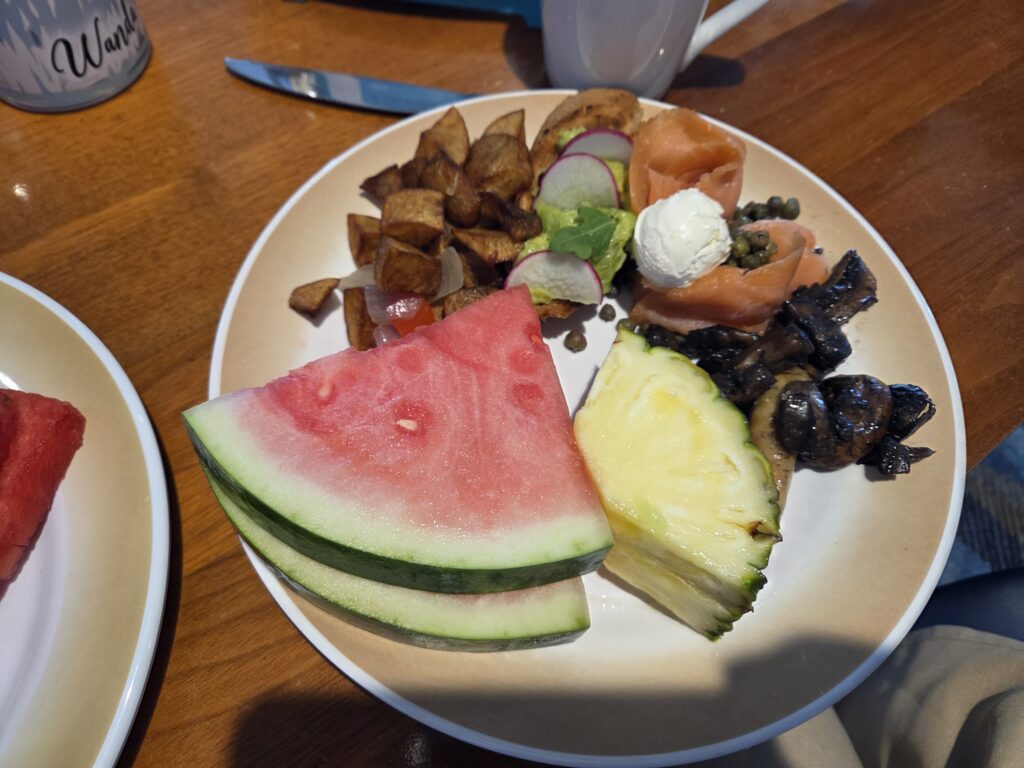
I was really impressed with how dinners felt like events, even when they were casual. Some nights we dressed up, other nights we didn’t. What mattered more was the feeling—sitting together, recounting the day, sharing highlights, laughing about the little things that surprised us. One night, we splurged on a specialty dining experience. The atmosphere was quieter, more intimate. Each course felt intentional, and it gave us a moment to slow down and celebrate being exactly where we were.
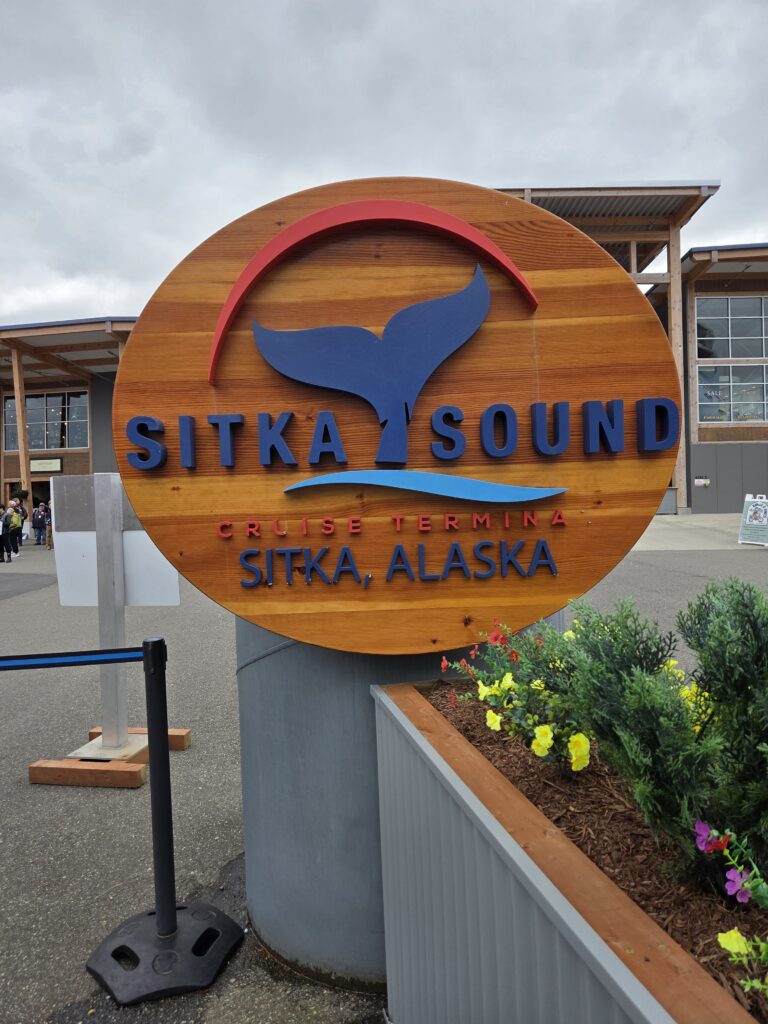
Our first stop was to Sitka. Sitka didn’t announce itself loudly—it welcomed us gently. Surrounded by mountains and water, it felt peaceful and grounded. Walking through Sitka National Historical Park, I felt a sense of respect for the land and the stories it holds. The Totem poles stood tall among the trees, and the air smelled clean and earthy. Museums and cultural centers offered insight into the Tlingit people and the layers of history that shaped the town. It wasn’t flashy, but it was meaningful. Sitka also reminded me that not every destination needs to overwhelm you. Sometimes, the most powerful experiences are the quiet ones.
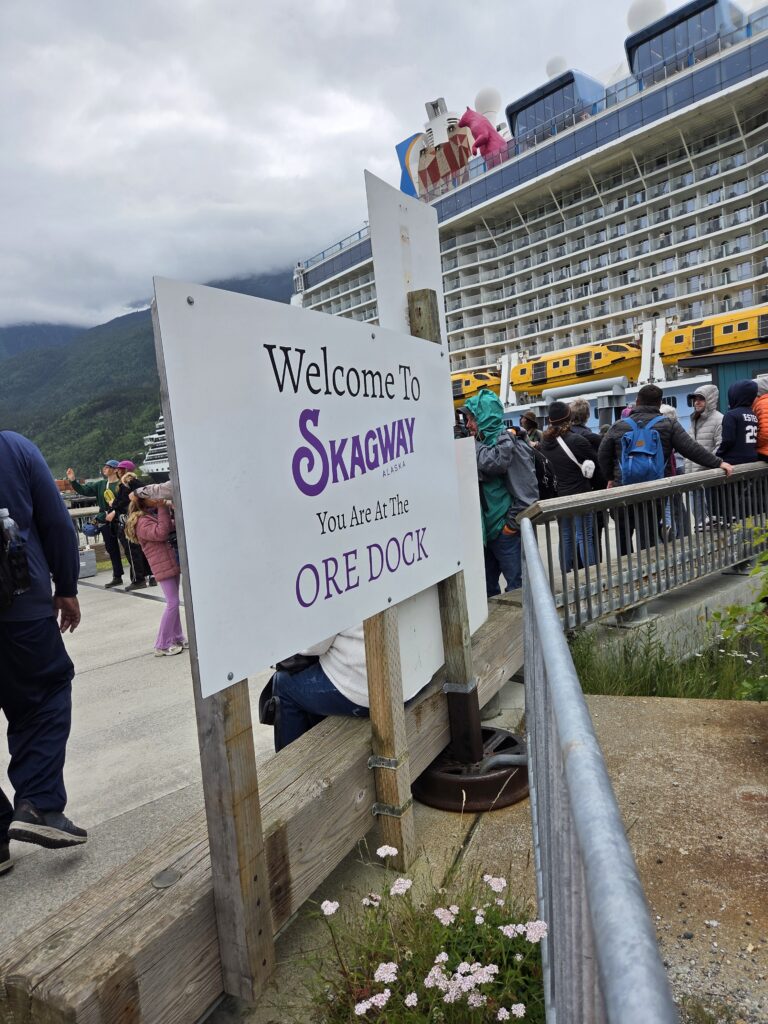
After our first stop I was so eager to get to Skayway. Skagway felt like stepping into a living storybook. Wooden sidewalks creaked underfoot, and historic buildings seemed to whisper tales of the Gold Rush. We couldn’t wait to do the tour on the The White Pass & Yukon Route Railway. The White Pass & Yukon Route Railway was unforgettable. As we climbed higher, the views became more dramatic—waterfalls tumbling down cliffs, valleys opening wide beneath us. I found myself imagining the determination it must have taken to make that journey on foot more than a century ago. Once we got back in town, we explored slowly, stopping into shops, watching gold panning demonstrations, and soaking in the atmosphere. Skagway felt alive with history, but also playful and welcoming.
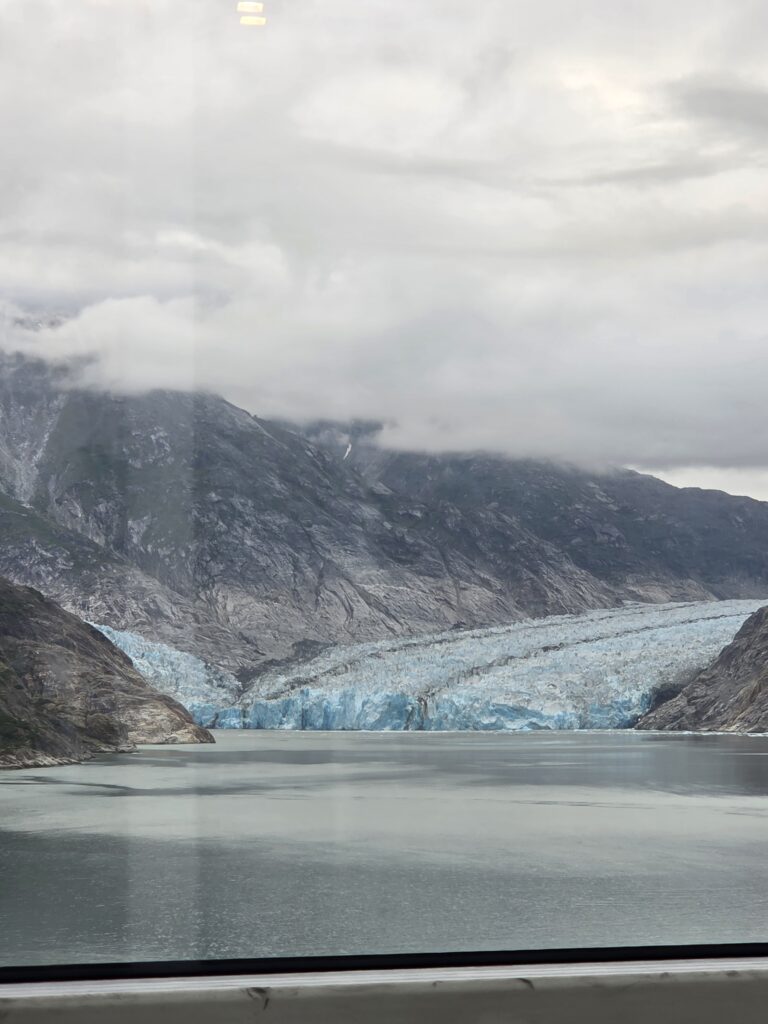
I was so excited to learn that we would see glaciers. Nothing could have prepared me for Endicott Arm and Dawes Glacier. I woke early, layered up, and stepped outside while most of the ship was still quiet. The silence was profound. Ice floated past us like sculptures. The glacier loomed ahead, massive and ancient. When ice calved into the water, the sound echoed—deep and powerful. Standing there, I felt small in the best way possible. It was humbling, emotional, and deeply grounding. I didn’t talk much that morning. I didn’t need to. I was just mesmerized.
Our fourth leg of this wonderful Alaskan Cruise took us to Jueau. Juneau felt energetic compared to earlier ports. Surrounded by mountains, it buzzed with activity. We visited Mendenhall Glacier, where trails led to breathtaking viewpoints. Downtown Juneau was easy to explore, and food became the highlight. Tracy’s King Crab Shack lived up to the hype—messy, indulgent, and absolutely delicious. Eating fresh crab by the water felt like a rite of passage. Juneau balanced adventure and comfort beautifully.
Now that this day has ended and we are back on the ship. We prepared for the night. Evenings onboard became my favorite part of the trip. Some nights we attended shows, other nights we wandered the deck, soaking in the quiet. One evening, I stood outside late, watching the sky fade into shades of blue and gray. The air was cold, but I didn’t want to go inside. It felt like the kind of moment you don’t rush.
Victoria was our final stop, and from the moment we arrived, it felt like a soft landing after days filled with awe and movement. There was no rush here, no pressure to see everything all at once. The city greeted us in the evening light, glowing gently along the waterfront, as if it knew we were nearing the end of something special. The pace felt slower, more thoughtful, and exactly what we needed. We wandered through the Inner Harbour without a plan, letting our feet and curiosity lead the way. Historic buildings lined the water, their architecture telling quiet stories of the past, while the harbor itself reflected lights that shimmered with every ripple. Street musicians played in the distance, and the air carried a mix of ocean breeze and the comforting scent of nearby cafés. It was the kind of place that invites you to linger, to sit on a bench a little longer, and to notice details you might otherwise miss.
We stepped into small shops filled with handmade goods, local art, and thoughtful souvenirs—things that felt meaningful rather than rushed or touristy. Even something as simple as sharing a warm drink while watching the sky deepen into evening felt like a moment worth holding onto. There was a calmness here that made conversation softer and reflections deeper. Victoria felt like a place designed for endings, but not sad ones. It gave us space to reflect on everything we had experienced—the glaciers, the wildlife, the quiet mornings at sea, and the shared laughter along the way. As we made our way back to the ship that night, I felt grateful. Grateful for the journey, for the moments that surprised me, and for an ending that didn’t feel like goodbye, but more like a gentle pause before returning home.
As we sailed back, I thought about how this trip had shifted something in me. Alaska reminded me to slow down, to look closer, and to appreciate the quiet moments as much as the big ones.What surprised me most was how the daylight affected my mood. I felt more awake, more present. Even late into the evening, there was still a soft glow on the horizon. It felt like the days weren’t rushing us. There was time—time to look, time to breathe, time to just stand still and take it all in. This cruise wasn’t about checking destinations off a list. It was about presence. Sailing through Alaska by cruise ship gave me the space to let that sink in. There was room to breathe, to stand still on deck, to watch the scenery unfold without feeling pulled in a dozen directions at once. It was about standing still. About realizing how much beauty exists when you give yourself permission to notice it. Alaska didn’t just give me memories—it gave me perspective. And that’s something I’ll carry long after the journey ends.
There are trips you take because they sound nice, and then there are trips that quietly rearrange something inside you. I didn’t realize Alaska would be the second kind until I was standing on a cold deck early one morning, wrapped in layers, watching chunks of blue ice drift past the ship in complete silence. No music. No announcements. Just the sound of water and wind. That was the moment it hit me—this wasn’t just another vacation. This was something I’d carry with me long after I unpacked my suitcase.