I’ve learned over the years that the trips that stay with me the longest aren’t the ones packed wall-to-wall with attractions, reservations, and perfectly timed itineraries. They’re the trips where there’s room to breathe. Room to sit quietly in the passenger seat and watch the landscape change. Room to follow conversations wherever they naturally lead. Room to let places reveal themselves instead of rushing past them. We were really looking for a relaxed trip.
As our group loaded the motorcoach for our trip. We made sure that we had plenty of movies, snacks, and games to play. The motorcoach was nice and roomy, which was a plus because we had a long trip ahead of us. This ten-day journey through Ohio, Montreal, Quebec City, and Ottawa was exactly that kind of trip. It wasn’t designed to impress anyone or to check off a list of “must-sees.” It was designed to move at a human pace. It balanced culture, history, and scenery while leaving space for connection, reflection, and simple enjoyment. Instead of asking, “What’s next?” we kept asking, “Do we want to stay a little longer?” Looking back now, that question shaped everything.
As we prepared to leave on our journey. We all just sat back and relaxed waiting for our first stop. Ohio was our starting point, and beginning the journey there felt fitting. There’s something steady about starting from familiar ground. It gives you time to transition, to loosen your grip on routine before fully stepping into travel mode. The drive through Ohio unfolded quietly. Long stretches of road cut through farmland and open space. Small towns appeared briefly and faded just as quickly. The scenery didn’t demand attention, but it invited it. The kind of landscape that encourages reflection rather than distraction.
Those first hours on the bus were unhurried. Conversation came easily, drifting between memories, plans, and observations about the road ahead. We started playing games and watching movies as we our journey. At times, we sat in comfortable silence, letting the hum of the highway do the talking. There was no sense of needing to fill every moment. Ohio reminded me that the beginning of a journey doesn’t need to feel dramatic. Sometimes, the slowest start is what allows the rest of the experience to unfold naturally.
As we were getting ready to cross over into Canada. Canada brought with it a quiet sense of transition. The landscape didn’t change dramatically, but the feeling did. Borders have a way of sharpening awareness, even when they’re crossed smoothly. Road signs looked different. Accents shifted. Another language wove itself into everyday sounds. Those small changes heightened our sense of place, reminding us that we were stepping into something new. Instead of feeling like a checkpoint to get through, the border crossing felt symbolic. It marked the moment where familiarity gave way to curiosity, where routine loosened its hold and anticipation settled in. I guess I was getting kinda nervous going into Canada.
Montreal greeted us without urgency. It didn’t overwhelm or compete for attention. It simply existed, confident in its rhythm and character. One of the first things I noticed was the sound of the city. French and English flowed together effortlessly, creating a background hum that felt both lively and relaxed. Conversations spilled onto sidewalks. Music drifted through open windows. The city felt alive without feeling rushed.
Montreal had an ease to it. People lingered at café tables. Sidewalks felt social rather than transactional. There was a sense that time was something to be spent, not managed. We explored mostly on foot, letting neighborhoods change around us block by block. Some streets were historic and quiet, others bold and colorful. Murals appeared unexpectedly, adding creativity to ordinary walls. Each area felt distinct, shaped by the people who lived there rather than by tourism alone. I was starting to feel at ease and just enjoyed the scenery around me.
In Montreal, meals weren’t interruptions to sightseeing. They were part of the experience. Sitting down to eat felt intentional. Conversations stretched longer than expected. There was no pressure to rush through a meal just to get back to doing something else. Watching the city move around us from a café table felt just as meaningful as walking its streets. That slower approach changed how the city felt. Instead of passing through it, we felt momentarily woven into its daily rhythm.
One of the most rewarding choices we made in Montreal was resisting overplanning. Instead of following a strict itinerary, we followed curiosity. We turned down streets because they looked interesting. We stepped into small shops because something caught our attention. We paused in parks simply because they felt inviting. Those decisions led to moments that couldn’t have been planned: quiet corners away from crowds, small discoveries that felt personal, and a deeper sense of connection to the city itself.
Montreal reminded me that travel doesn’t always reward efficiency. Sometimes, wandering without a destination is where the magic lives. We were so glad that we didn’t have an agenda on this stop. Just being able to soak it all in was wonderful. I can truly say that I would make this another trip.
Getting back on the bus knowing that we had to leave was bittersweet, but we had to go to our next destination. Leaving Montreal, the drive to Quebec City offered a different kind of experience. Urban density slowly gave way to open stretches of road, trees, rivers, and sky. Long drives have a way of creating mental space. Conversation ebbed and flowed. Everyone had something to say about our visit to Montreal. Music played softly and then faded into silence.
Watching the landscape pass by became a form of meditation. Some of us just sat and reflected on this experience. This stretch of the journey reinforced something important: travel isn’t only about the places you stop. The time spent between them matters too. It’s where thoughts settle, where anticipation builds, and where connections deepen.
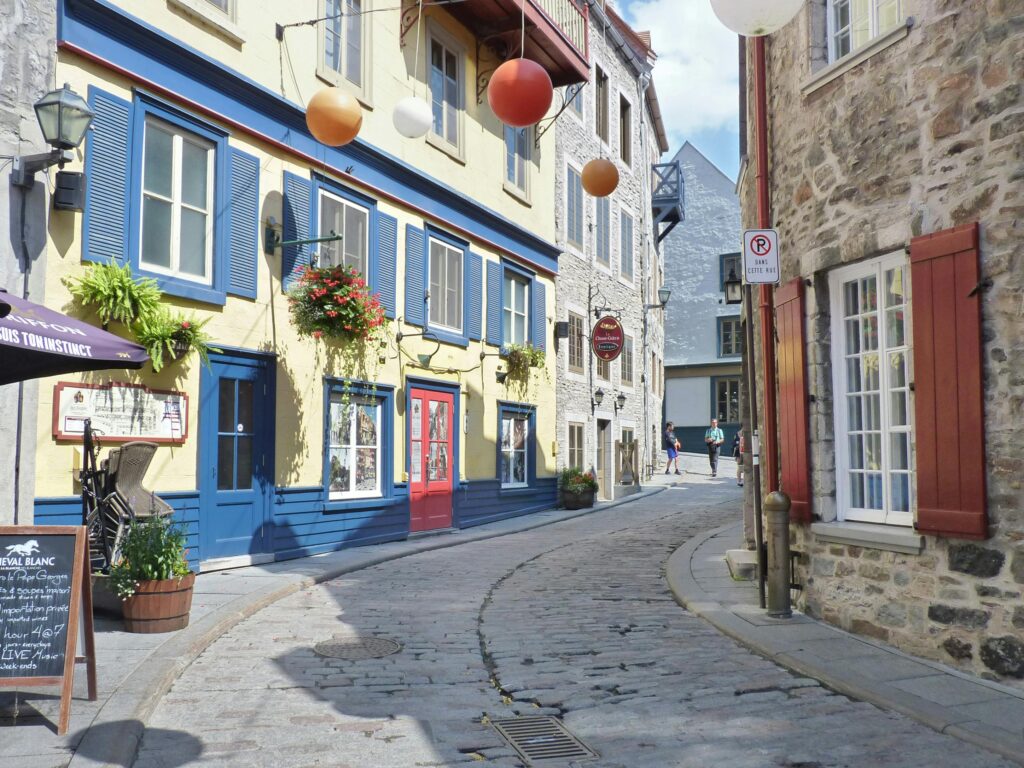
On the ride to Quebec we all were looking forward to it but also still relaxing and taking in the scenery. Upon arriving in Quebec City. Quebec City felt like stepping into another era. The atmosphere shifted immediately. Cobblestone streets, stone buildings, and narrow passageways created a sense of timelessness.
The history wasn’t hidden or preserved behind glass. It was lived in. Buildings bore the marks of centuries, and instead of feeling old, they felt grounded. The city seemed comfortable with its past, allowing it to shape the present rather than compete with it. Walking through the old city slowed everything down naturally. The streets themselves demanded attention, encouraging deliberate movement and observation.
Quebec City discouraged rushing in subtle ways. Steep streets and winding paths made it difficult to move quickly, and that felt intentional I guess to keep you safe. That’s just my observation. We spent time sitting, watching and eating. The street performers played music that echoed off stone walls. Light shifted across historic facades as the day unfolded. Small shops offered handmade goods that reflected regional traditions. The meals were experiences, because I had food that I wouldn’t have eaten before. The food was savored, conversation lingered, and the time felt generous.
Quebec City reminded me that slowing down isn’t about doing less. It’s about noticing more. There were moments in Quebec City that invited quiet reflection. Standing near ancient walls or walking through spaces shaped by centuries created perspective. It was absolutely beautiful. I can truly say that it was impossible not to think about time—how quickly it slips by in daily life, and how slowly it seems to move in places like this. The city didn’t demand reflection; it simply made space for it. History here wasn’t loud or theatrical. It was steady, present, and quietly powerful.
Our next stop on this trip was to Ottawa. Ottawa felt like a natural continuation of the journey. Where Montreal was expressive and Quebec City was deeply historic, Ottawa felt composed and reflective. As the capital, there was a sense of order and intention to the city. The streets were well planned. Buildings felt purposeful. Public spaces were thoughtfully designed. Yet it never felt stiff. Scenic waterways, open green spaces, and grand architecture softened by nature created a calm atmosphere that invited pause rather than urgency.
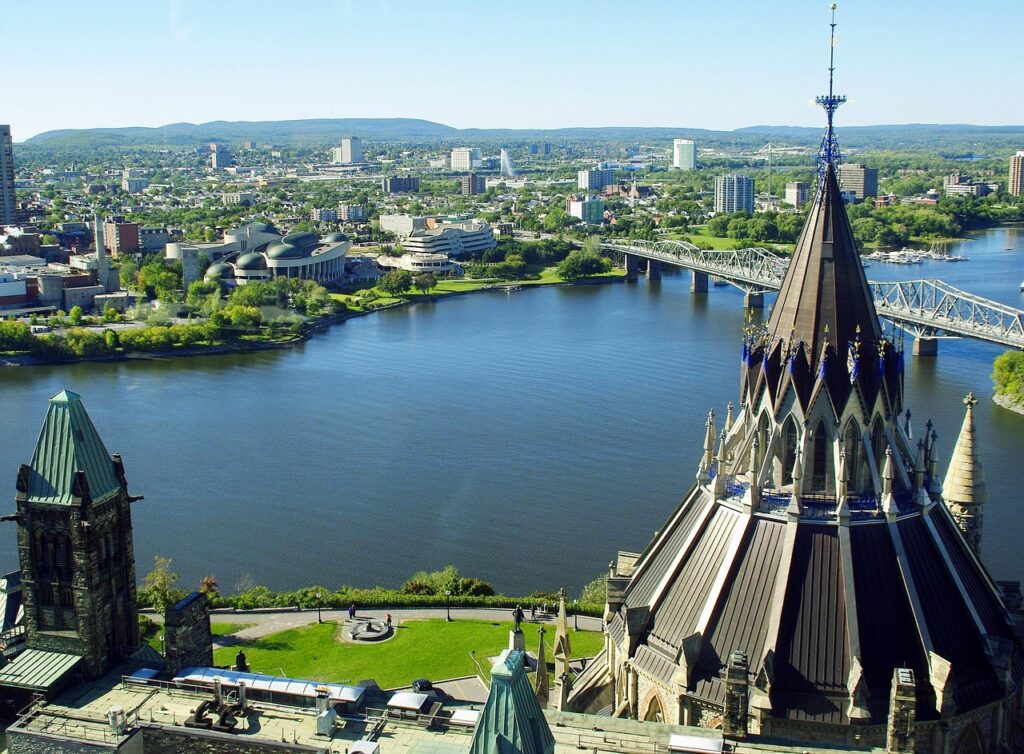
Walking through Ottawa felt peaceful. There was room to breathe, to think, and to simply exist without distraction. I felt really relaxed while here. The museums and monuments were present, but they didn’t dominate the experience. You could engage deeply or simply appreciate them as part of the landscape. I had my camera ready here too. I was just amazed at the history here. Ottawa offered so much balance. It felt like a place where reflection came naturally, not because it was required, but because the environment encouraged it.
This trip reinforced something I’ve been learning for years: meaningful travel isn’t about doing more. It’s about being present. By leaving space in our schedule, we avoided burnout. By moving more slowly, we noticed details that might have otherwise gone unseen. By letting go of constant documentation, we experienced moments more fully. Each destination offered something different, but they all shared a common thread. They rewarded patience, curiosity, and attention.
As we prepared to load the bus to head home. We all had something to talk about. The most important one was how we all learned how to just relax and not rush through a vacation. Now some of the most memorable moments happened while in motion. Watching landscapes shift, noticing subtle changes, and letting thoughts wander became an essential part of the experience. Looking out the window became an act of mindfulness. It was a reminder that not every moment needs to be productive or optimized. Sometimes, simply observing is enough. This trip really taught me a lot.
Coming home after a trip like this always brings mixed emotions. There’s a sense of relief in returning to familiar routines, familiar streets, and the quiet comfort of knowing where everything belongs. At the same time, there’s a subtle longing for the rhythm you’ve left behind—the slower mornings, the unhurried conversations, the feeling that time was something to move through gently rather than race against. This journey didn’t just change how I think about travel; it quietly reshaped how I think about everyday life. It reminded me how rare and valuable unstructured time can be, how meaningful conversations become when they aren’t squeezed between obligations, and how much clarity comes from simply slowing down. More than anything, it reinforced the importance of building margin into my days—leaving room to pause, to reflect, and to be fully present instead of constantly in motion.
Long after the suitcases are unpacked and the photos are tucked away, the feeling of this trip remains. It lingers in small, unexpected ways—in remembered conversations, in quiet moments that return without warning, and in unplanned discoveries that shaped the journey more than any itinerary ever could. This ten-day journey through Ohio, Montreal, Quebec City, and Ottawa wasn’t about seeing everything. It was about experiencing enough. Enough beauty to feel inspired, Enough history to feel grounded, Enough stillness to feel present, and Enough connection to carry home. Slow travel doesn’t fade quickly because it isn’t built on highlights alone. It’s built on experience, on genuine connection, and on the awareness that comes from allowing time to stretch rather than rushing it forward. These are the moments that stay with you, long after the details blur.
In choosing to move slowly, we didn’t miss out on anything. Instead, we gained something deeper—a way of traveling, and of living, that values time not as something to conquer or manage, but as something to inhabit fully. Moving at a gentler pace allowed moments to unfold naturally rather than be rushed or reduced to highlights, and in that space, meaning had room to grow. This kind of journey doesn’t truly end when the road does. It continues quietly, influencing the way you notice your surroundings, how you hold conversations, and how willing you are to pause instead of pushing forward. Long after the miles are behind you, the rhythm of slow travel stays with you, shaping how you move through the world with greater intention and presence.