For a long time, planning an event felt like standing at the edge of a very long to-do list with no clear starting point. It didn’t matter whether the gathering was small or significant—the weight of responsibility always felt the same. I loved the idea of celebrating people and milestones. I loved imagining laughter filling a room, music playing in the background, and conversations spilling into the corners of the space. But somewhere between the excitement and the reality, stress often crept in quietly and settled itself right beside the joy.
At first, I didn’t recognize how deeply emotional event planning could be. I assumed the stress came from logistics—venues, vendors, schedules, budgets. But over time, I realized the pressure ran deeper than that. Events matter because people matter. When we plan something meaningful, we’re not just arranging chairs or choosing colors—we’re trying to honor moments, relationships, and memories that deserve care.
I remember sitting alone late one evening, papers spread across the table, staring at a half-finished plan that didn’t quite feel right. Everything looked fine on paper, yet something was missing. I felt overwhelmed, not because there was too much to do, but because I was trying to control every detail out of fear that something important might be lost if I didn’t. That night taught me my first real lesson: wanting something to be perfect often steals the joy from what’s meant to be celebrated.
The truth is, every event begins with emotion before it ever begins with planning. There’s a reason behind every gathering. A wedding celebrates love and commitment. A birthday honors another year of life. A reunion reconnects people who share history. A corporate event marks growth, effort, and achievement. When I started grounding myself in the why instead of the how, everything changed.
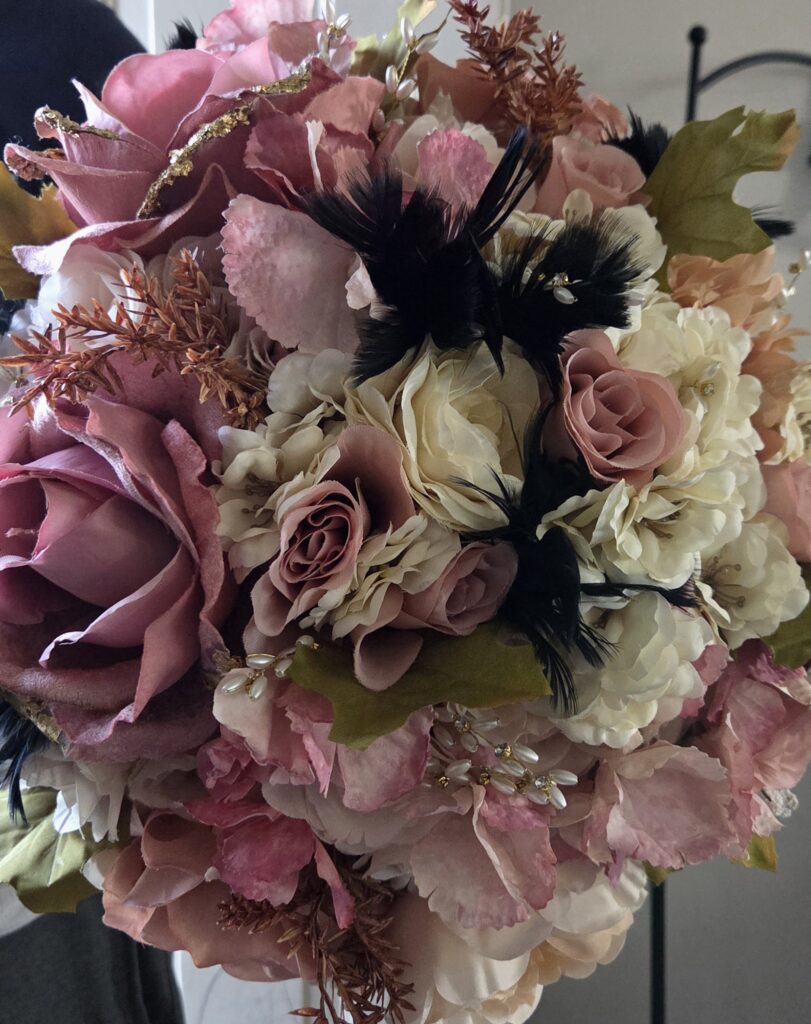
The conversations that happen at the beginning of planning are some of the most important ones. Sitting down and talking through what truly matters—who should be there, how the day should feel, what kind of memories you want to create—can bring surprising clarity. I learned that once those priorities are clear, decisions become easier. Not easier in the sense that there are fewer choices, but easier in knowing which choices actually matter.
A venue was one of the first things to shift my perspective. I used to believe there was such a thing as the “perfect” venue, and if you didn’t find it, the event would somehow fall short. Experience taught me otherwise. I’ve stood in grand spaces filled with light and elegance, and I’ve also stood in modest rooms where laughter echoed louder than music ever could. What mattered wasn’t the size or the style—it was whether people felt comfortable, welcomed, and connected.
The décor taught me another lesson in letting go. At one point, I obsessed over themes and color palettes, convinced that every detail needed to align perfectly. But I noticed something over time: guests rarely remember exact colors or centerpieces. They remember how they felt when they walked into the room. Was the space warm? Inviting? Did it feel like a place where they belonged? Once I started thinking of décor as atmosphere rather than decoration, planning became more creative and far less stressful.
Working with vendors deepened my understanding of trust. Letting someone else step into your vision can feel vulnerable. You’re handing over pieces of something meaningful and hoping they’ll handle it with care. I learned the value of communication here—not just listing expectations, but sharing stories. Explaining why certain moments mattered. Talking about the feeling you wanted guests to leave with. Those conversations turned transactions into collaborations.
The food, in particular, became more than just a menu. I watched how people gathered around tables,how conversations flowed more easily when meals were shared, how laughter seemed to come naturally when plates were full. Tasting food stopped being about choosing the “best” option and started being about imagining the moments that food would accompany. Who would sit together? Who would linger longer than planned? Who would feel comforted by familiar flavors?
The Music and entertainment brought their own lessons. I learned that music has a way of shaping memory. A song can transport someone back to a moment years later. Choosing music wasn’t about following trends—it was about energy, connection, and emotion. I’ve seen dance floors fill unexpectedly and quiet moments become unforgettable simply because the right song played at the right time.
Weddings, especially, taught me humility and grace. No matter how carefully something is planned, real life always finds a way to make itself known. Weather changes. Timelines shift. Small things go off-script. And yet, those moments often become the most memorable. I’ve seen couples laugh through mishaps, guests rally together to solve problems, and love take center stage regardless of what went “wrong.” Those experiences taught me that perfection is overrated—presence is not.
One of the most powerful lessons came when I experienced events without being responsible for every detail. For the first time, I wasn’t watching the clock or scanning the room for issues. I was present. I noticed small things: the way someone’s eyes lit up when they walked in, the quiet hugs exchanged in corners, the shared glances during meaningful moments. I realized how much I had missed before by trying to manage everything instead of experiencing it.
On event days, preparation became a source of peace rather than anxiety. Knowing that details were handled allowed me—and others—to focus on what mattered most. There was freedom in not having to solve problems in real time. Freedom in being able to laugh fully, listen deeply, and celebrate without distraction. Every event carries its own personality. A family reunion feels different from a wedding. A milestone birthday carries a different energy than a professional gathering. Recognizing thatuniqueness changed how I approached planning. Instead of applying the same formula every time, I learned to listen—to the people involved, to the purpose of the event, to the emotions tied to it.
Over time, I stopped measuring success by flawless execution and started measuring it by connection. Did people stay longer than planned? Did conversations continue even as the night wound down? Did laughter echo unexpectedly? Those became the signs that something meaningful had happened. Looking back, event planning taught me lessons far beyond organization. It taught me patience. It taught me trust. It taught me how to release control and focus on what truly matters. It reminded me that celebrations aren’t about impressing others—they’re about honoring moments and people.
Now, when I think about events, I don’t picture schedules or logistics first. I picture faces. I picture hands clasped together, stories being shared, music drifting through a room. I picture moments that weren’t planned but felt perfect anyway. There’s a quiet beauty in realizing that you don’t have to do everything yourself to create something meaningful. Sometimes, the most powerful thing you can do is step back and allow the moment to unfold. Allow yourself to be present. Allow others to support you. Allow joy to take the lead.
At the heart of every gathering is a simple truth: we come together because life is worth celebrating. The details may fade, but the feelings linger. Long after the last chair is stacked and the lights are turned off, what remains are memories—of connection, laughter, and shared moments that mattered. And that, more than anything else, is what planning events has taught me: when you let go of the need for perfection, you make room for something far more meaningful—joy that lasts long after the day is over.