When planning a trip, most of us get caught up in the exciting parts—choosing the destination, booking the hotel, dreaming about the food, the sights, and the memories waiting to be made. We imagine ourselves strolling through new cities, relaxing by the water, or laughing with loved ones somewhere far from home. But there’s one detail that often gets pushed to the bottom of the list, something that doesn’t seem glamorous or exciting at first: luggage.
I’ll admit, for a long time, I didn’t think much about it either. A suitcase was just a suitcase. As long as everything fit inside, I figured I was good to go. It wasn’t until a few stressful travel moments—dragging an overstuffed bag through an airport, struggling with a broken wheel, or realizing I packed way more than I needed—that I understood how much the right (or wrong) luggage can affect an entire trip. Travel has a way of teaching you lessons you didn’t expect, and luggage selection is one of those quiet teachers. Over time, I’ve learned that what you carry—and how you carry it—can either make your journey smoother or add unnecessary stress before you even arrive.
Flying, especially, has a way of revealing just how important luggage choices really are. I remember one short weekend trip where I brought a large suitcase “just in case.” By the time I checked in, I was hit with an unexpected baggage fee because my bag was overweight. Standing there at the counter, shifting items from one bag to another while people waited behind me, was not how I wanted to start my trip. That experience alone taught me to rethink how I pack for short flights.
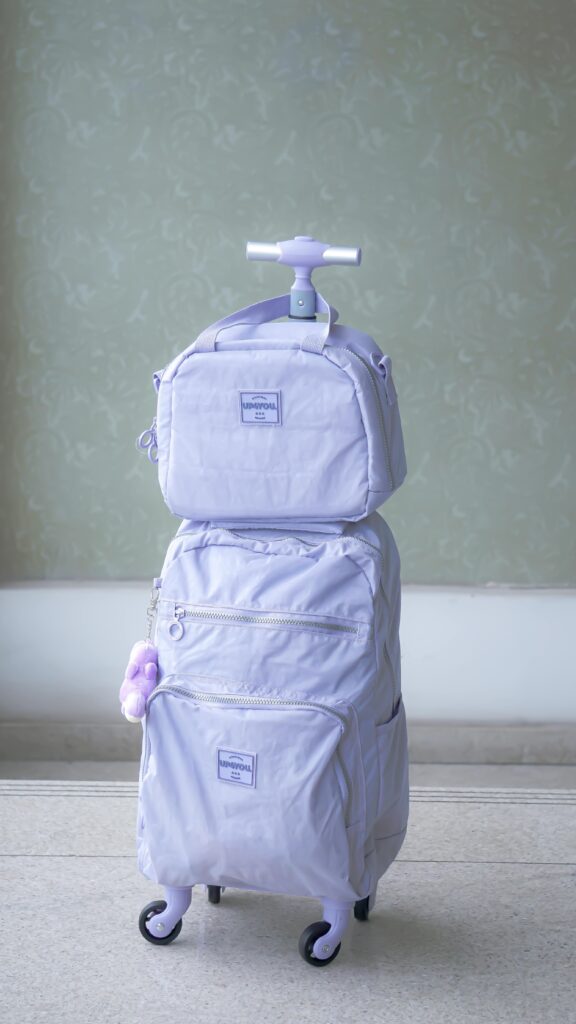
For trips lasting one to three days, I’ve since learned that a carry-on bag or travel backpack is often more than enough. Packing light takes practice, but it’s incredibly freeing. There’s something satisfying about walking past the baggage claim and heading straight out of the airport while others wait. No worrying about lost luggage. No standing around watching bags circle endlessly on the carousel. Just grab your bag and go.
Using a carry-on also forces you to be intentional. You start asking yourself what you actually need versus what you’re packing out of habit. Planning outfits ahead of time makes a huge difference. Rolling clothes instead of folding them saves space, and choosing neutral pieces that can mix and match helps keep your packing minimal without sacrificing style. Over time, I realized I didn’t miss the extra items I left behind—and I definitely didn’t miss hauling them around.
For longer flights or extended stays, choosing the right checked luggage becomes even more important. Lightweight suitcases with spinner wheels are a game changer. Anyone who has tried to maneuver a heavy bag through a crowded airport knows how exhausting it can be. Smooth-rolling wheels, sturdy handles, and durable material may seem like small details, but they matter when you’re navigating security lines, terminals, and tight connections.
Now cruises taught me an entirely different set of lessons about luggage. The first time I went on a cruise, I packed like I was moving in. Formal outfits, casual clothes, extra shoes, backup options for everything—it all seemed necessary at the time. But once onboard, I realized how little of it I actually used. The result was a cramped cabin and a suitcase I had to dig through every day just to find what I needed.
For the most part cruising is unique because your luggage often disappears for hours after embarkation. You drop it off, then wait for it to magically appear outside your cabin later in the day. Having a small carry-on with essentials—medication, a change of clothes, swimwear—became one of the best habits I developed. It allowed me to start enjoying the ship right away instead of feeling stuck waiting.
For shorter cruises, especially those lasting three to five days, packing lighter makes everything easier. A small suitcase or carry-on can be enough if you’re thoughtful about what you bring. For longer cruises, larger luggage may be unavoidable, but strategy still matters. One of the most helpful tips I learned was to take advantage of onboard laundry services. Washing clothes mid-trip means you don’t have to pack a fresh outfit for every single day.
Cruises also highlight the importance of versatile clothing. Items that can be dressed up or down save space and simplify choices. Comfortable walking shoes are essential for excursions, while lightweight sandals work well for onboard days. Packing less made my cruise experience feel calmer, less cluttered, and far more enjoyable.
Then there’s road travel—the one form of transportation where luggage rules feel more relaxed. No weight limits. No baggage fees. No strict size restrictions. Traveling by car gives you freedom, but that freedom can also lead to overpacking if you’re not careful. I’ve learned that organization matters just as much on road trips as it does when flying. Tossing bags randomly into the trunk may work for short drives, but longer trips benefit from structure.
Using stackable luggage or packing cubes keeps everything accessible and prevents that frantic rummaging through bags at rest stops or hotels. Family road trips especially benefit from thoughtful packing. Assigning each person their own bag—or color-coding luggage—helps avoid confusion. Being able to easily grab a jacket, snack, or overnight bag without unpacking the entire car makes a huge difference. One of the joys of car travel is being able to bring extras like blankets, pillows, or coolers, but even those feel more manageable when everything has its place.
Across all types of travel, I’ve noticed one consistent truth: the better my luggage fits my trip, the more relaxed I feel. The right bag saves time, energy, and patience. It reduces physical strain and mental clutter. It allows me to move more freely, whether I’m walking through an airport, boarding a ship, or unloading the car after a long drive.
Smart luggage choices also have financial benefits. Avoiding extra airline fees, preventing overweight charges, and minimizing wear and tear on belongings all add up. But beyond money, the biggest reward is peace of mind. Knowing that your bag is manageable, organized, and suited to your journey removes one layer of stress from travel.
Over the years, I’ve come to see luggage as part of the travel experience itself—not just a container for clothes, but a tool that shapes how the trip unfolds. When my bag is too heavy, I feel rushed and frustrated. When it’s just right, I feel confident and prepared. That difference may seem small, but it shows up in how I move through each day of the trip. Now, before every journey, I take a few extra minutes to think about what kind of luggage truly makes sense. I consider how long I’ll be gone, how I’ll be getting there, and what I’ll realistically need. Those few moments of planning pay off in comfort, ease, and flexibility.
Traveling will always come with surprises—that’s part of its magic. But some challenges are completely avoidable. Choosing the right luggage is one of those simple decisions that can quietly transform an ordinary trip into a smoother, more enjoyable experience. In the end, it’s not about packing less for the sake of it—it’s about packing smarter. Carrying only what serves you, supports you, and helps you move forward with confidence. And when your journey feels lighter, you’re free to focus on what truly matters: the moments, the memories, and the joy of being somewhere new.