Travel has a way of slowing life down when you let it. Not the rushed, check-the-box kind of travel, but the kind where you sit back, look out the window, and allow the scenery—and the people you’re with—to matter just as much as the destination. That’s exactly what this trip to Lancaster, Pennsylvania felt like. From the very beginning, it was less about getting somewhere quickly and more about being present for every mile along the way.
There’s something quietly comforting about traveling by bus, especially when you’re surrounded by family or a close-knit group. Once everyone settles into their seats, bags tucked beneath feet or overhead, a collective exhale seems to pass through the bus. The pressure to be “on” fades. No one has to navigate traffic or keep track of exit numbers. Instead, conversations stretch naturally, sometimes deep and meaningful, sometimes light and filled with laughter. Movies hum softly in the background, and long stretches of road invite reflection. The simple act of watching the landscape change—suburbs giving way to farmland—becomes grounding in a way that flying or driving yourself rarely allows.
Our journey began with a choice, and that choice shaped the tone of the entire first day. Some of us were drawn to Philadelphia, eager to walk through places where American history took form. Others felt pulled toward Gettysburg, a place known for its stillness and weight. Neither option felt like the “right” one or the “better” one. They were simply different paths, both offering space for reflection and learning in their own way.
Philadelphia carried a certain energy. Walking near Independence Hall, it was impossible not to pause and think about the conversations and decisions that once took place within those walls. The Declaration of Independence often feels like a concept learned in textbooks, but standing near where it was signed made it tangible. History felt closer, more human. The Liberty Bell, too, carried more meaning than I expected. Its crack, often the focal point, felt less important than what it represented—imperfection, resilience, and the ongoing work of freedom.
Yet Philadelphia wasn’t all solemn reflection. There was joy woven into the day as well. Watching visitors laugh and pose on the Rocky Steps, strolling near the water at Penn’s Landing, and simply being surrounded by people living their everyday lives reminded me that history and modern life coexist. One doesn’t cancel out the other. Instead, they inform and enrich each other.
Those who chose Gettysburg returned with a noticeably different energy—quieter, more contemplative. Gettysburg has a way of doing that. The battlefield stretches wide and open, dotted with monuments that don’t demand attention but gently invite it. Standing there, it’s hard not to imagine the fear, bravery, and uncertainty that once filled those fields. The stories of soldiers and families during the Civil War linger long after you leave. It’s a place that encourages silence, thought, and humility. Modern inconveniences suddenly feel small when set against the sacrifices remembered there.
By the time everyone reunited and we continued on toward Lancaster County, there was already a shared sense that the trip was unfolding with intention. The transition into Pennsylvania Dutch Country was immediate and noticeable. The roads quieted. Open fields stretched wide, interrupted by red barns and neatly tended farmland. Life here seemed less hurried, less cluttered. It felt like a place where time moved at a different pace—and where that pace was respected.
Lancaster doesn’t try to impress you. It doesn’t rush to entertain or overwhelm with options. Instead, it welcomes you quietly, inviting you to observe rather than consume. One of the first places we visited was Kitchen Kettle Village, and it captured that spirit perfectly. Walking through the village felt unpretentious and warm, like stepping into a space where craftsmanship and tradition still matter. Small shops offered handmade goods, locally made treats, and items that felt thoughtful rather than trendy.
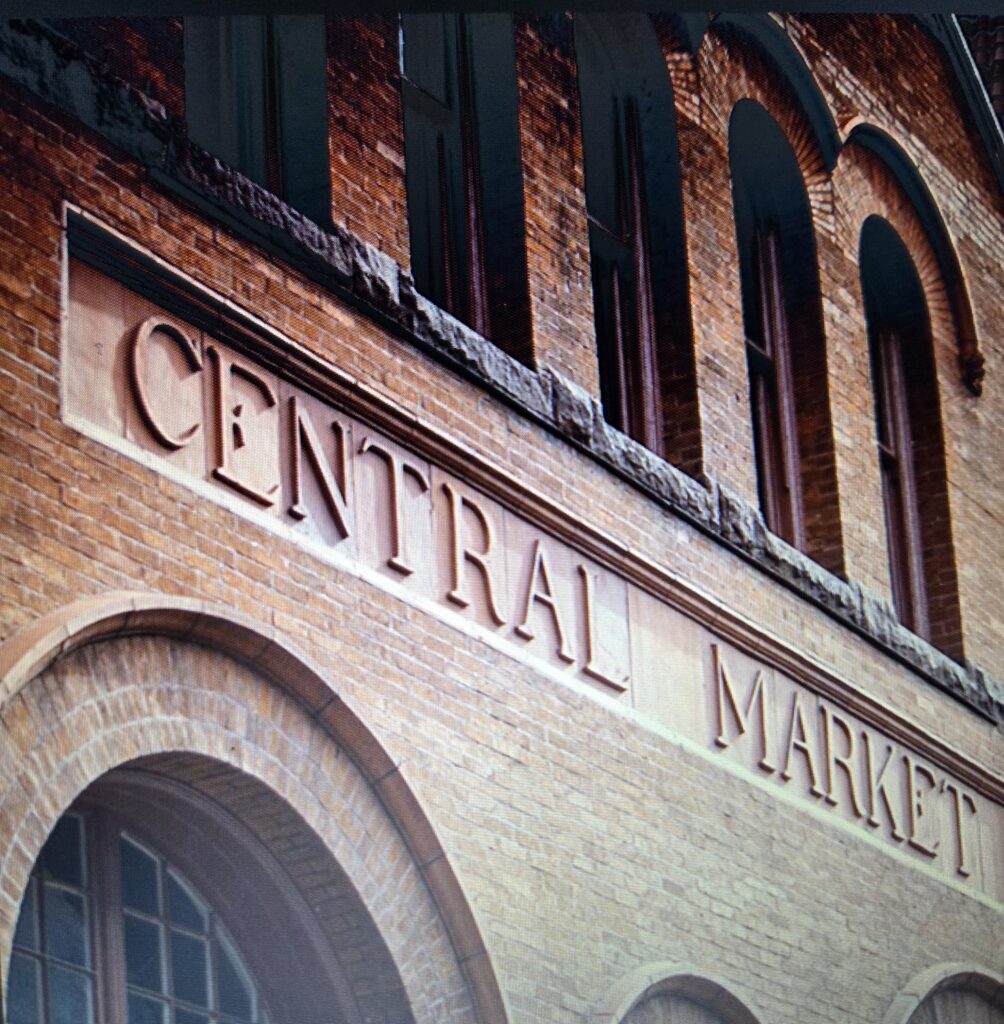
The smells alone slowed you down. Fresh bread, sweet jams, warm comfort food—it all seemed to encourage lingering. Meals weren’t rushed affairs here. Sitting down together, sharing dishes, and letting conversations unfold without checking the time felt like a gift. Food became more than nourishment; it became a reason to pause and connect. There was something deeply satisfying about that simplicity.
One of the most meaningful experiences in Lancaster was visiting the Amish Country Homestead. Learning about Amish life offered a perspective that felt both humbling and eye-opening. Walking through the home, hearing about daily routines, and understanding how life functions without modern technology prompted a lot of internal reflection. It wasn’t about judging or comparing—it was about noticing.
What stood out most wasn’t what was absent, but what was present. Strong family ties. Purposeful routines. A commitment to faith and community. Life felt structured around values rather than convenience. It challenged me to think about how often modern life feels overwhelming, cluttered, and constantly demanding attention. The Amish way of life wasn’t presented as an ideal to adopt, but as a reminder that there are many ways to live well.
Evenings in Lancaster brought their own kind of magic. One night, we attended a live stage production of Noah, and it was far more impactful than I anticipated. The scale of the production was impressive, but it was the emotion that lingered. Music, movement, and storytelling came together in a way that felt immersive and thoughtful. Seeing the story brought to life—with such attention to detail—sparked conversations long after the show ended. It wasn’t just something we watched; it was something we experienced together. Another evening was spent at the Magic & Wonder Theater, where the tone shifted entirely. Laughter filled the room as illusions, humor, and storytelling blended seamlessly. It was lighthearted and joyful, offering a balance to the heavier historical and reflective moments of the trip. Sometimes, shared laughter is exactly what’s needed to bring people closer.
Between the planned activities were the moments that often matter most. Quiet bus rides as the sun dipped low over the fields. Late-night conversations in hotel hallways where laughter echoed softly. Early mornings when the world felt still and full of possibility. These moments didn’t need to be documented to be remembered. They lived in the spaces between schedules.
Traveling as a group created a sense of connection that’s hard to replicate. Generations learned side by side. Conversations crossed age gaps easily. There was always someone to share a thought with, someone to laugh with, someone to sit beside in comfortable silence. It reinforced the idea that travel isn’t just about discovering new places—it’s about rediscovering each other.
As the trip came to an end and we began the journey home, that familiar mix of gratitude and reluctance settled in. The kind that only follows experiences that matter. I wasn’t returning home with just photos or souvenirs, but with perspective. Lancaster offered more than attractions or entertainment—it offered space. Space to reflect. Space to reconnect. Space to slow down.
This trip wasn’t about luxury or collecting destinations. It was about togetherness, simplicity, and letting the journey unfold without forcing it. It reminded me that meaningful travel doesn’t need to be extravagant. Sometimes, it’s found in quiet roads, shared meals, thoughtful stories, and moments that ask nothing more than your presence.
Long after the bus pulled back into the driveway and bags were unpacked, the memories lingered. The open farmland. The powerful stories. The laughter that filled the aisles. Lancaster didn’t just give us a destination—it gave us moments worth holding onto. And in a world that often feels too fast, that felt like enough.